

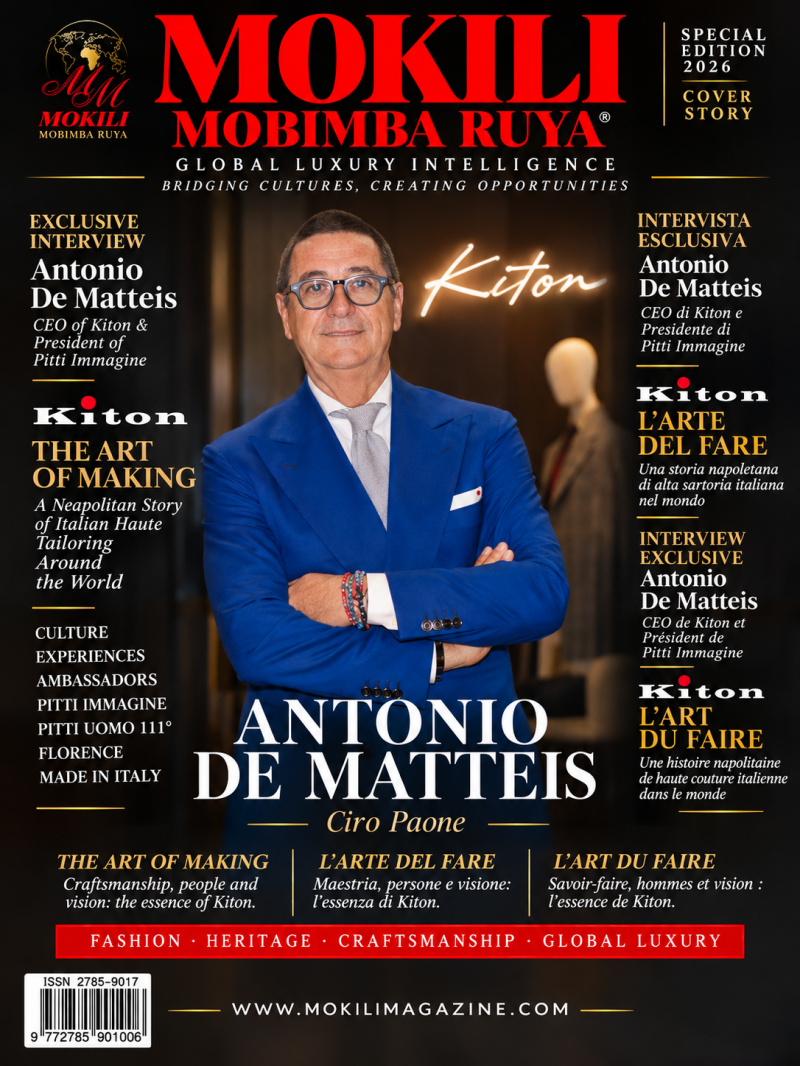
KITON — THE ART OF MAKING
ANTONIO DE MATTEIS
A Neapolitan Story of Italian Haute Tailoring Around the World
EXCLUSIVE INTERVIEW PUBLISHED
KITON — THE ART OF MAKING
ANTONIO DE MATTEIS
FROM NAPLES TO THE WORLD: ITALIAN CRAFTSMANSHIP, GLOBAL VISION AND NEW OPPORTUNITIES FOR AFRICA
TWELVE QUESTIONS. ONE INTERNATIONAL CONVERSATION. A NEW PERSPECTIVE ON THE FUTURE OF GLOBAL FASHION.
KITON — THE ART OF MAKING
Antonio De Matteis: Italian Excellence, Pitti Immagine and New Horizons for Africa
What does it take to preserve the heritage of Italian craftsmanship while shaping the future of global luxury?
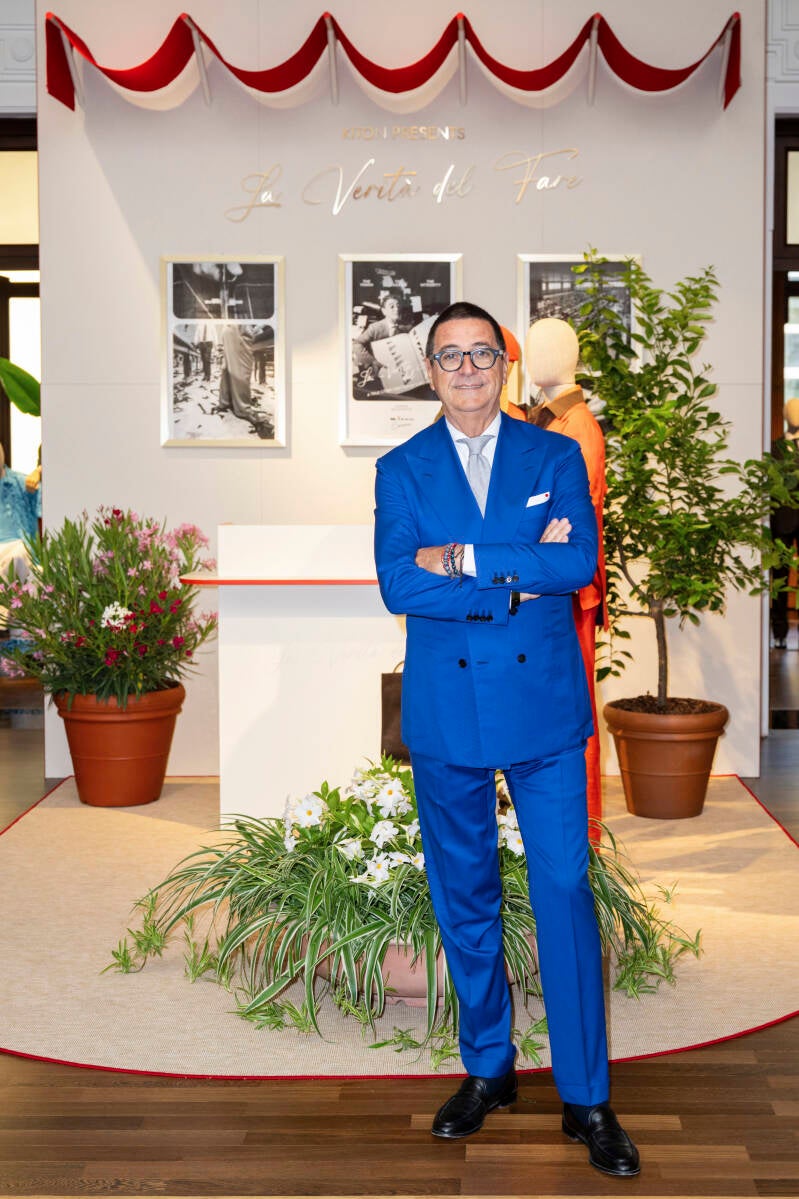
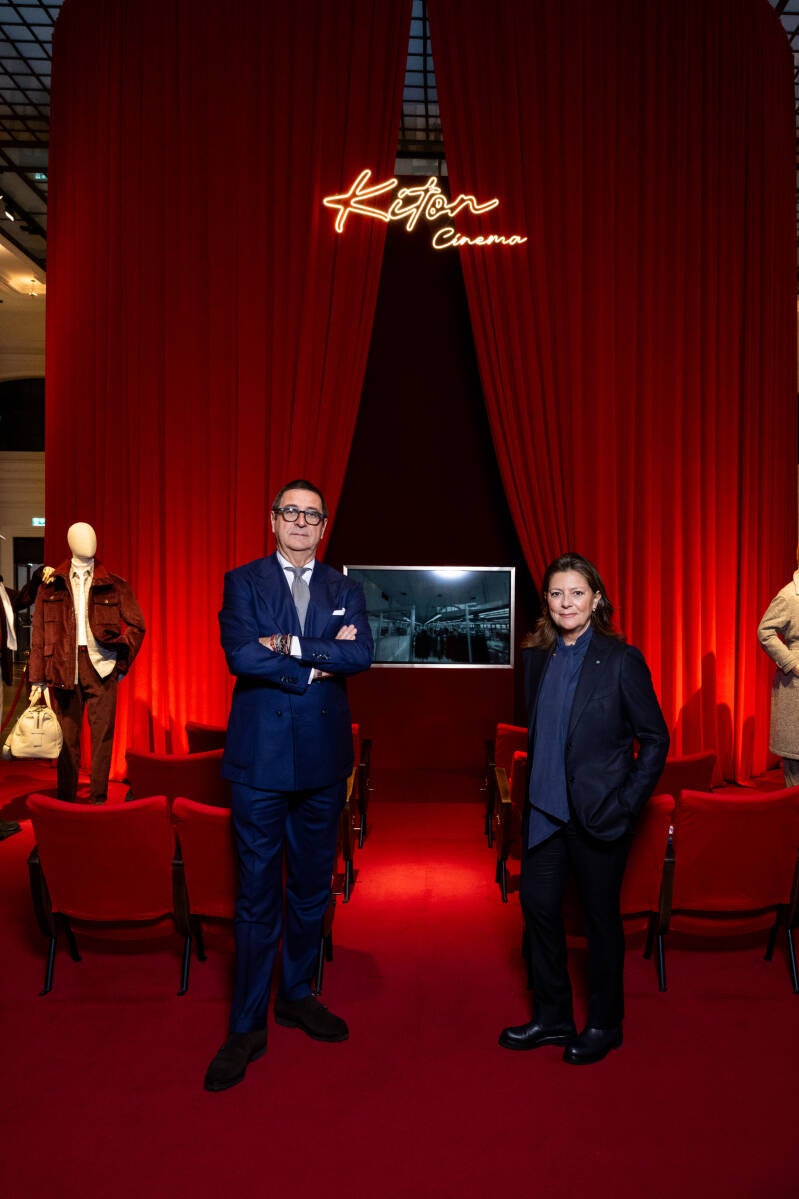
MOKILI MOBIMBA RUYA | GLOBAL LUXURY INTELLIGENCE presents an exclusive interview with Antonio De Matteis, CEO of Kiton Group, Menswear Creative Director and President of Pitti Immagine for the 2026–2028 mandate.
Through twelve questions, this conversation explores the philosophy behind Kiton, the Neapolitan heritage of Italian tailoring, entrepreneurial leadership, the value of human capital and the challenges facing the international fashion industry.
The discussion also looks beyond traditional fashion boundaries, addressing the future of Pitti Immagine, the evolution of international markets and, in particular, the opportunities emerging across Africa.
What connections can be developed between Italian manufacturing excellence and Africa's evolving fashion, luxury and business landscape? What role can international platforms such as Pitti Immagine play in fostering new relationships between Italian companies, African entrepreneurs, buyers and emerging markets?
These questions open an important conversation about economic cooperation, cultural exchange and new opportunities for the international fashion system.
From Kiton's distinctive craftsmanship to the international vision of Pitti Immagine, the interview offers insights into an industry where heritage, innovation and global relationships are increasingly interconnected.
A conversation about more than fashion: about enterprise, people, markets and the future of international cooperation.
Discover the twelve questions and the complete conversation with Antonio De Matteis.
READ THE FULL INTERVIEW.
KITON — THE ART OF MAKING.
A Neapolitan heritage. An Italian vision. A global perspective.
MOKILI MOBIMBA RUYA | GLOBAL LUXURY INTELLIGENCE
BRIDGING CULTURES, CREATING OPPORTUNITIES.
12 QUESTIONS TO ANTONIO DE MATTEIS
MOKILI 01 — From Neapolitan Roots to a Global Presence
Kiton was born in Naples, a city deeply rooted in the culture of tailoring, elegance and craftsmanship. In your view, what was the defining factor that enabled a Neapolitan maison to establish itself internationally while preserving its identity and authenticity?
KITON :
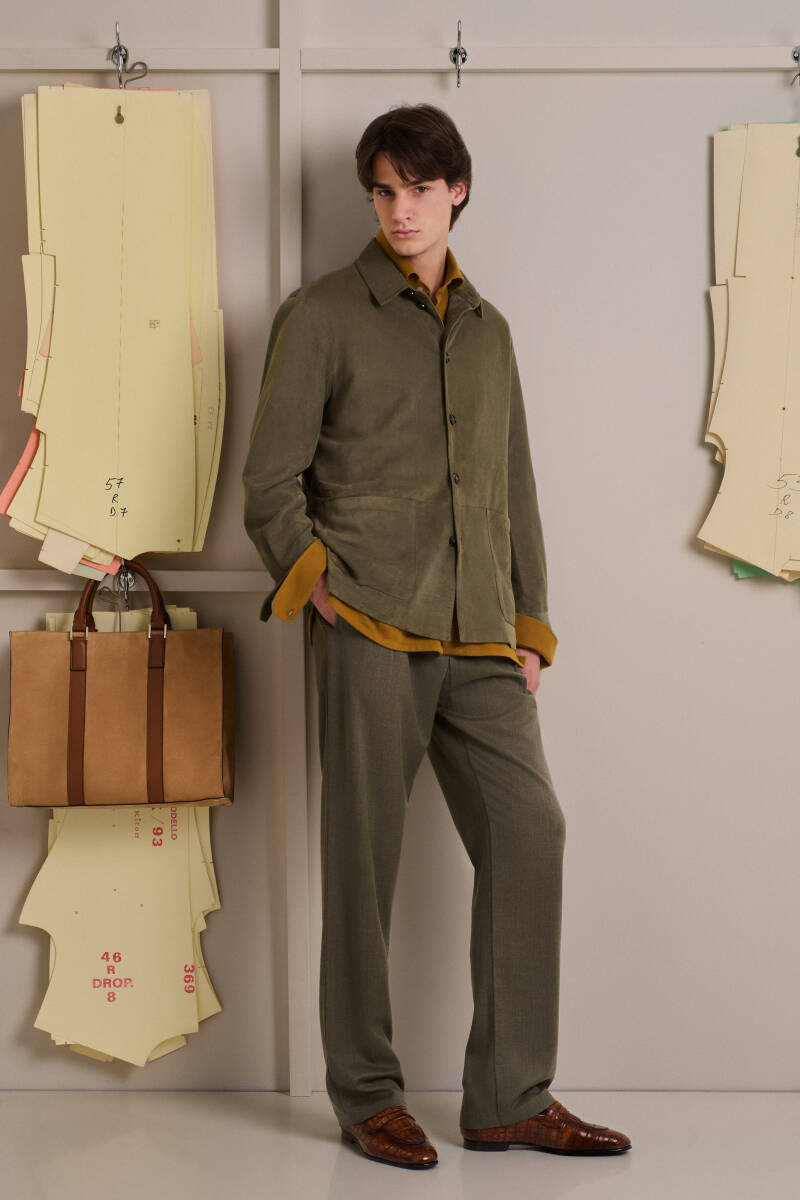
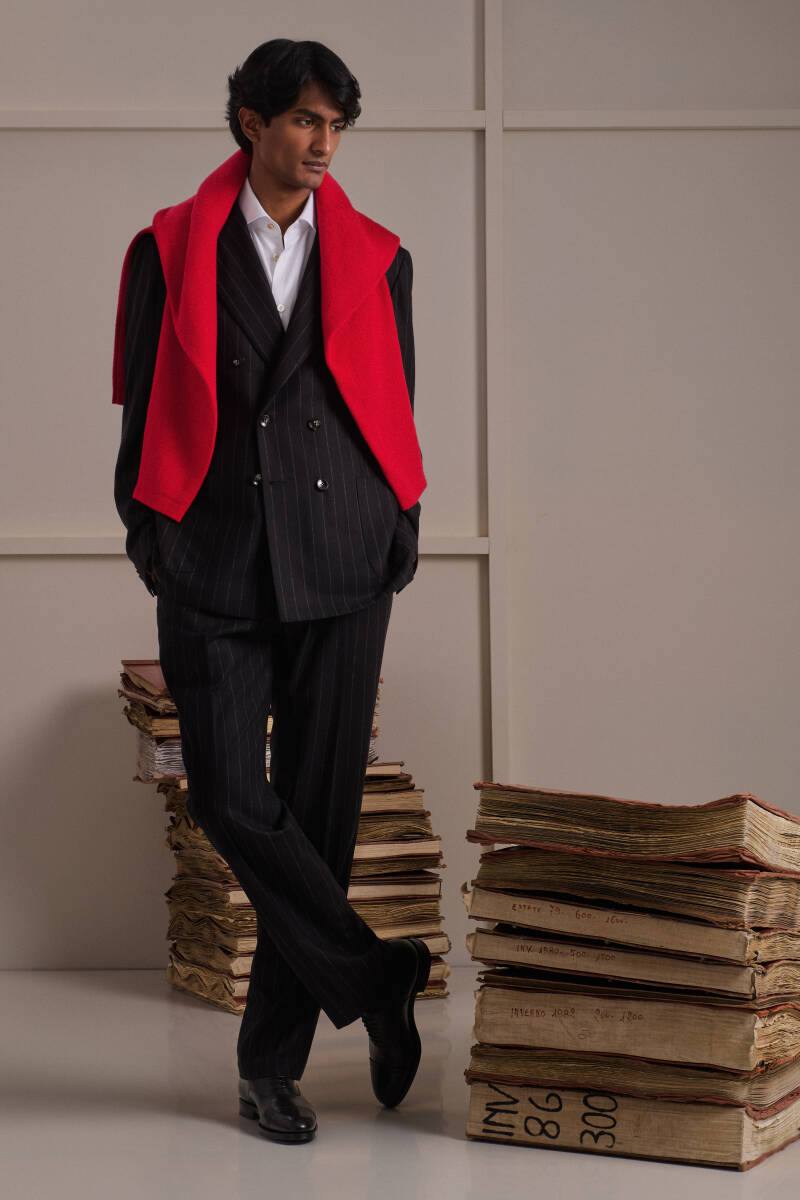
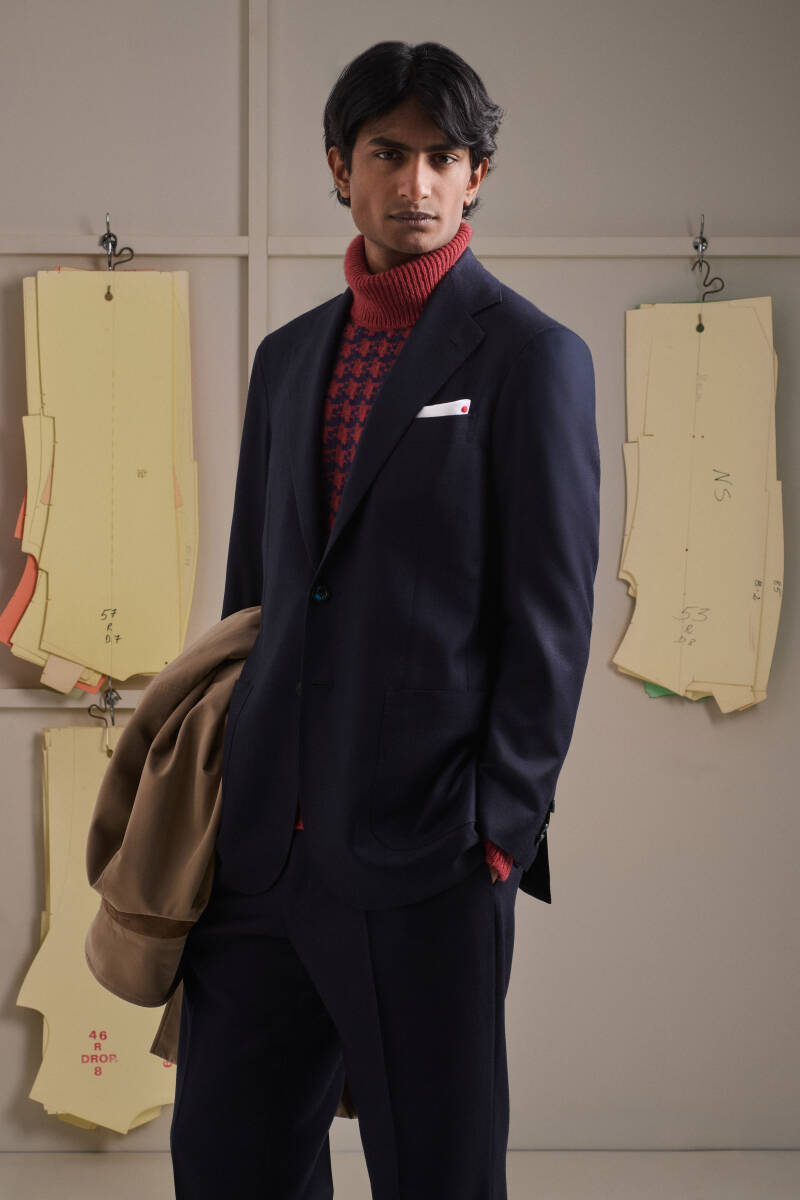
I believe the secret has been never forgetting where we come from and, above all, never compromising on quality. Kiton was founded in 1968 from the dream of my uncle, Ciro Paone, who had a very clear vision: to create the very best and to keep making it better.
Naples gave us a distinctive sensibility, a particular understanding of elegance rooted in naturalness, culture, beauty and attention to detail. It is a heritage we carry with us wherever we go in the world.
Over time, we have learned to speak to different cultures and sensibilities without ever changing our own language. We have invested in people, education, craftsmanship and the research of exceptional materials. I believe our international success has grown precisely from this consistency: we have become a global company while remaining profoundly Italian, and indeed profoundly Neapolitan.
MOKILI 02 — The Future of International Luxury
The luxury industry is undergoing a profound transformation, shaped by new generations, changing consumer behaviour and the emergence of new economic centres. Where do you see the most compelling opportunities for luxury over the next decade?
KITON :
I believe the next ten years will bring significant change. People will increasingly want to understand what they buy, how a product is made, who makes it and what story it carries.
The real opportunity will lie in rediscovering the value of things. Authentic quality, the time devoted to making a product, the expertise of the people behind it and the ability to create pieces designed to last will become increasingly important.
There will certainly be new markets and new consumers, but I believe the most interesting transformation will be cultural. Thanks in part to technology, younger generations have access to an extraordinary amount of information and are developing a greater awareness of what they choose to purchase.
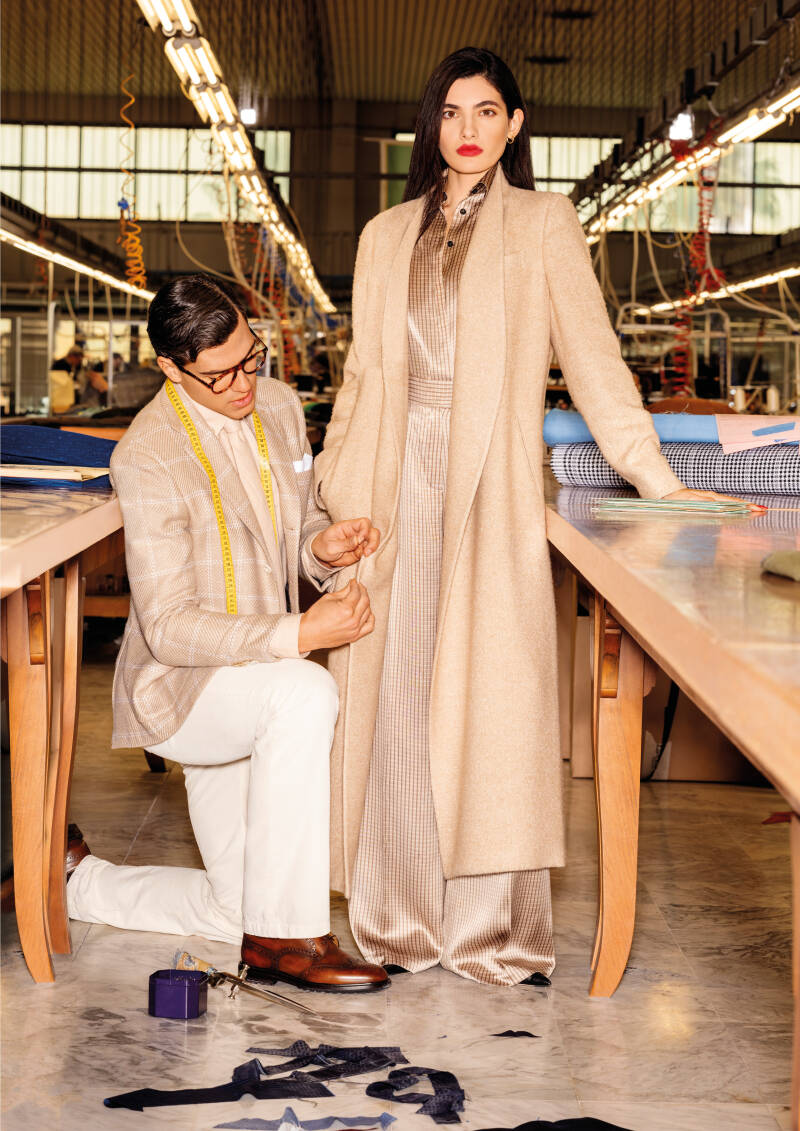
For a company like Kiton, this represents an opportunity: to share our knowledge, open the doors of our workshops and demonstrate, through tangible experience, the value of what we do.
MOKILI 03 — Africa: A Continent to Be Understood
Africa is attracting growing attention for its entrepreneurial energy, demographic evolution, creative industries and economic potential. What is your personal perception of the African continent in relation to the future of global luxury?
KITON :
I believe Africa is a highly interesting reality that deserves to be observed with attention, without prejudice and, above all, without generalisations.
We are talking about an extraordinarily diverse continent, made up of countries, cultures, economies and sensibilities that differ considerably. It would be a mistake to consider it a single market.
What particularly interests me is the energy of its younger generations, the growth of an entrepreneurial class and the presence of people who increasingly approach the world with an international outlook.
I believe the future of commercial relationships must be built on mutual understanding. One cannot enter a territory without first understanding its culture, its people and its local dynamics.
Italy has much to offer through its manufacturing heritage, but it also has much to learn through encounters with other cultures. It is precisely through this exchange that meaningful opportunities can emerge.
MOKILI 04 — The African Consumer of Tomorrow
A new generation of African entrepreneurs, professionals and consumers is demonstrating growing international openness and an increasing interest in quality, identity, craftsmanship and cultural distinction. Do you believe this evolution could create new opportunities for Italian luxury brands?
KITON :
Certainly. I believe there is considerable potential for dialogue between Italian manufacturing culture and a new generation of African consumers who are increasingly attentive to the quality and identity of the products they choose.
For us, however, it is important not to stop at economic indicators or estimates of consumer potential. Behind every market there are people, habits, traditions and expectations that must be understood.
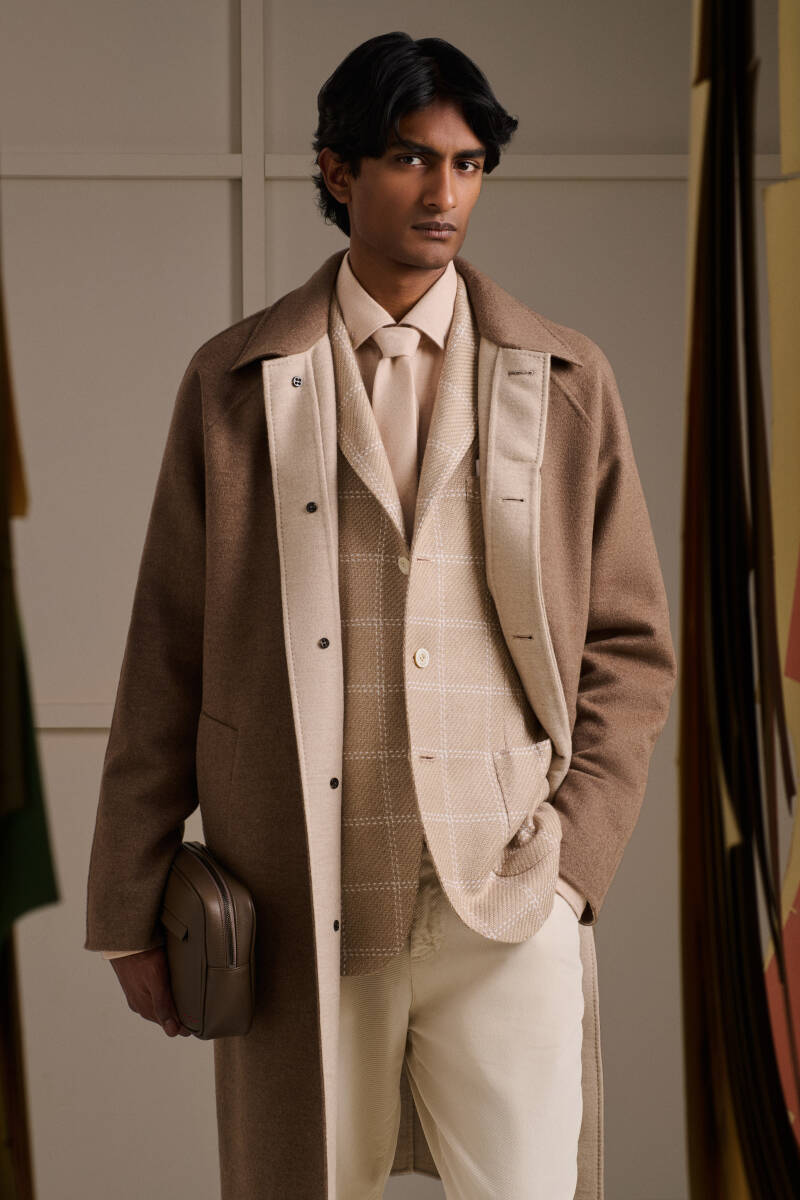
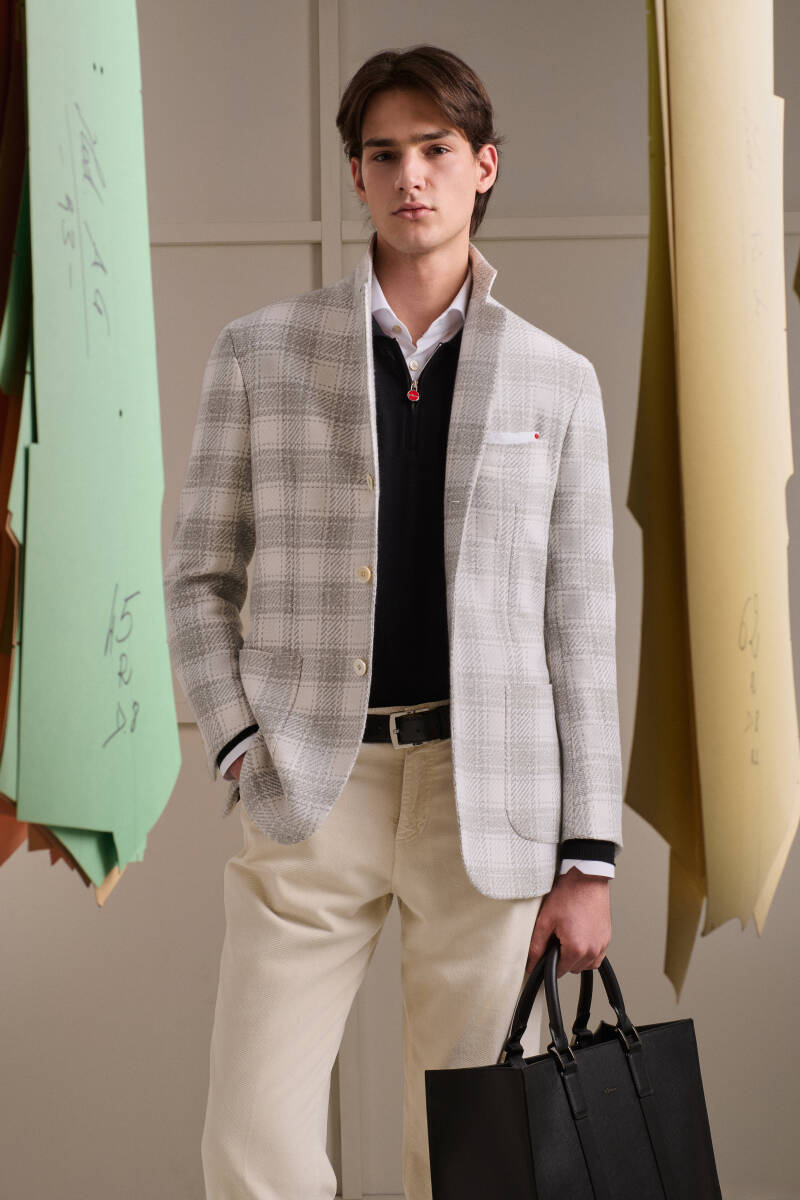
The customer who chooses Kiton is looking for something that goes beyond the product itself: a story, expertise, a particular way of understanding life and the pleasure of wearing something made with exceptional care.
I believe these values can resonate with discerning consumers in several African countries. The key is to approach every market with respect, curiosity and a strategy shaped around its specific characteristics.
MOKILI 05 — Made in Italy and Africa: A Strategic Relationship
Italian artisanal excellence and African creativity represent two cultural and economic heritages of extraordinary value. How could these two worlds develop a meaningful relationship based on the exchange of expertise, reciprocity and the creation of shared value?
KITON :
I am convinced that dialogue between cultures is always an opportunity for mutual enrichment. Italy possesses an extraordinary manufacturing heritage, built over generations by artisans, entrepreneurs and skilled workers. Africa preserves traditions, artistic sensibilities and creativity that deserve genuine attention and recognition.
I believe such a relationship must be founded on reciprocity, rather than on a model in which one culture teaches and the other simply receives. Each side must be able to contribute something of its own.
Collaborations could develop through education, the exchange of expertise, material research and dialogue between manufacturing and creative communities.
For an encounter to be authentic, however, it must respect the identity of both parties. The aim should not be to lose what makes each culture unique, but to find ways for different heritages to interact and enrich one another.
MOKILI 06 — Beyond the Market: Partnerships and Investment
Entering a new geographical market requires much more than commercial distribution. It calls for trust, local knowledge, strategic partners and a long-term vision. What conditions do you consider essential for an Italian maison wishing to explore the opportunities offered by African markets?
KITON :
The first condition is to understand the market. I do not believe in strategies developed from a distance and based exclusively on figures or forecasts. You need to travel, meet people, understand the territory and listen to those who experience it every day.
The second condition is to find serious, reliable partners who share the company's culture and values. When you represent a brand, you are not simply distributing a product: you are representing a history, an identity and a way of working.
Finally, patience is essential. Meaningful business relationships do not emerge in a matter of months. They are built over time through trust and continuity.
For Kiton, every decision must be consistent with our positioning and with the quality of the experience we wish to offer our customers, wherever they may be.
MOKILI 07 — Craftsmanship, Education and New Generations
Kiton places great importance on passing down artisanal knowledge through its School of Haute Tailoring. Could this educational philosophy inspire future collaborations with African institutions, young talents or training initiatives within the luxury sector?
KITON :
Education is one of the subjects I feel most strongly about, because I believe the future of a company depends first and foremost on the people who make it what it is.
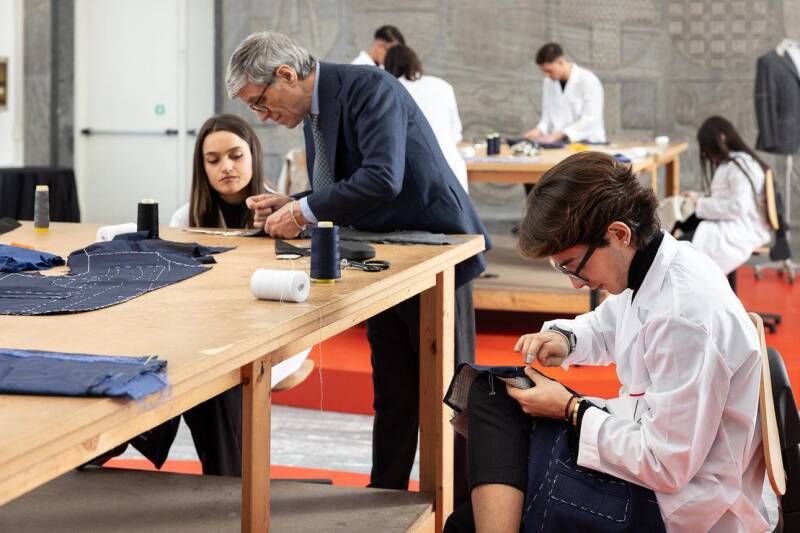
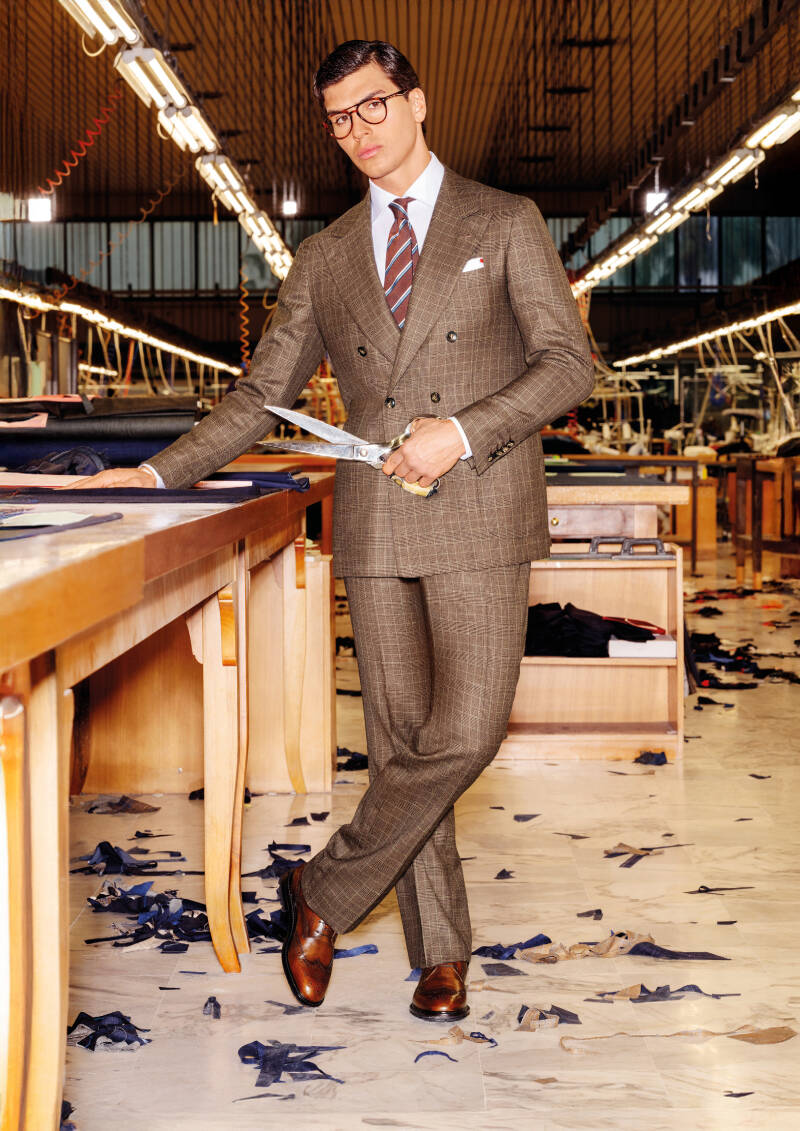
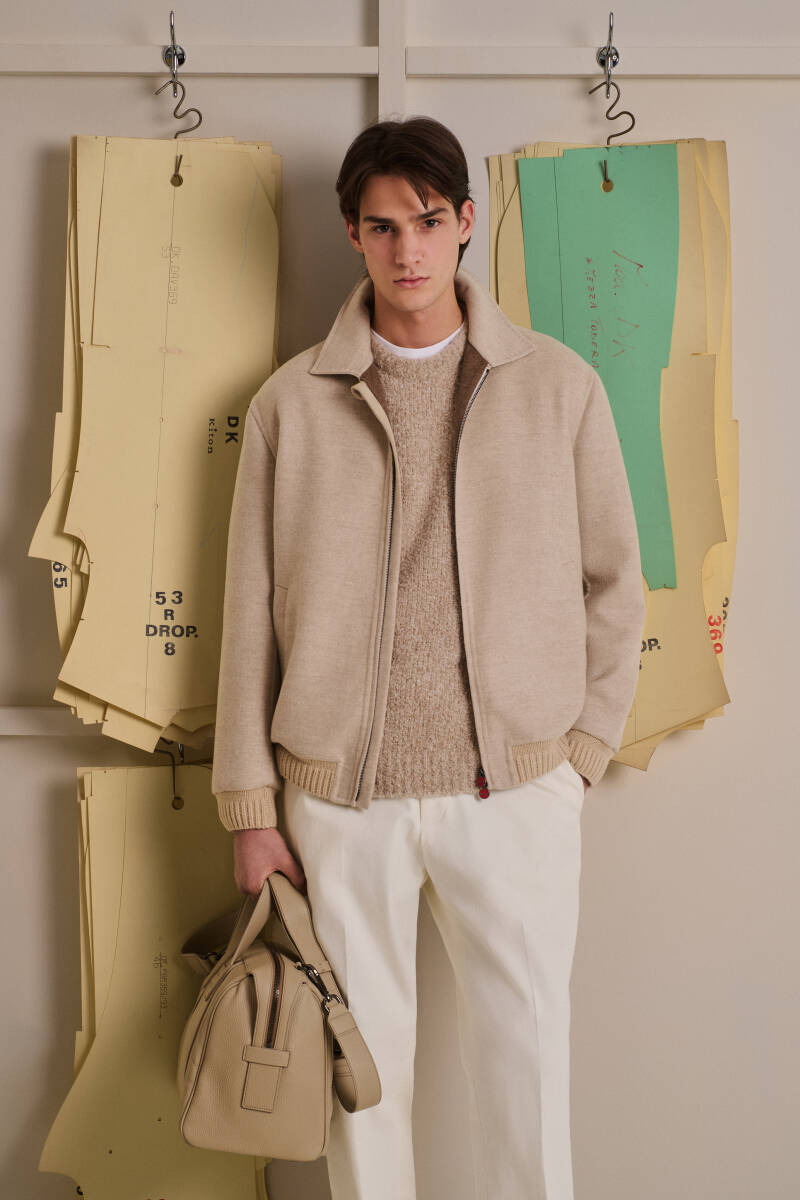
In 2000, we founded the Kiton School of Haute Tailoring with a very specific objective: to pass on an extraordinary craft that risked disappearing because too few young people were willing to carry it forward. Today, the school represents a fundamental part of our identity.
I strongly believe in the possibility of sharing this heritage of knowledge beyond our borders. Education can become an important instrument for dialogue between countries and cultures.
Potential collaborations with African institutions and organisations could be very interesting, provided they are built around concrete projects, clear objectives and a genuine commitment to developing skills.
Artisanal knowledge should not be regarded as a heritage to be guarded jealously, but as a body of knowledge to be passed on and allowed to evolve.
MOKILI 08 — African Creativity and Italian Savoir-Faire
Africa preserves an extraordinary heritage of textiles, artisanal techniques, artistic expressions and contemporary design. Do you see opportunities for collaboration between African artisans and Italian manufacturing, while respecting the identity and cultural heritage of both worlds?
KITON :
Absolutely. I believe creativity also emerges from encounters between different experiences. The history of Italian manufacturing shows us that the ability to innovate has always been nourished by exchanges with other cultures, materials and sensibilities.
Africa's textile and artistic heritage can represent an interesting source of inspiration, just as Italian technical and manufacturing expertise can offer new opportunities for interpretation and development.
However, these encounters must be approached with great respect. Every tradition has its own history and cannot simply be used as a decorative or commercial element.
I would welcome collaborations capable of genuinely recognising and enhancing the skills of everyone involved, creating something new without erasing the identities from which it originates.
MOKILI 09 — Which African Markets Deserve Greater Attention?
Africa is not a homogeneous market. Each country has its own economic dynamics, consumer culture and development prospects. Without necessarily identifying a single destination, which areas or countries do you believe deserve greater attention from Italian luxury companies?
KITON :
I believe it is important to begin with one fundamental consideration: there is no single Africa, but many different Africas.
There are established economic and financial centres, rapidly growing entrepreneurial hubs and countries where new opportunities are emerging in tourism, infrastructure and services.
Certainly, countries such as South Africa, Nigeria, Kenya, Ghana and Morocco have interesting characteristics, although they are very different from one another. Each deserves to be understood and analysed individually.
For a brand like Kiton, however, the decision cannot depend exclusively on the size of a market. We need to understand whether there is a community of customers who recognise and appreciate our values, and whether the conditions exist to provide an appropriate level of service.
I would rather choose a market where we can build authentic, lasting relationships than pursue rapid expansion that is not consistent with our identity.
MOKILI 10 — Pitti Immagine and Building New International Bridges
As Chairman of Pitti Immagine, you have a privileged perspective on the international evolution of fashion and menswear. Do you believe platforms such as Pitti Immagine can encourage greater participation by African designers, entrepreneurs and buyers in the Italian and European fashion ecosystem?
KITON :
Absolutely. Pitti Immagine has always been an international meeting platform where companies, designers, buyers and industry professionals can connect and develop new relationships.
I believe our role is also to encourage dialogue between different markets and cultures, while recognising and responding to the evolution of international fashion.
Greater participation by qualified African industry professionals could certainly enrich this ecosystem. It would be interesting to encourage the presence of buyers, entrepreneurs and creative talents from different countries across the continent.
Naturally, this also requires practical conditions that allow people to participate. I am thinking, for example, of visa application procedures, which sometimes represent a concrete obstacle to the mobility of international professionals.
This is an issue that would benefit from closer cooperation between institutions and the business community. Trade fairs must be places that are open to the world, where opportunities can become genuine relationships.
MOKILI 11 — Luxury as a Cultural and Human Value
Ciro Paone believed that beauty and elegance cannot simply be explained or imitated: they must be felt. In a world increasingly influenced by digitalisation and artificial intelligence, what role will human sensitivity, cultural identity and the art of craftsmanship play in defining the luxury of the future?
KITON :
My Uncle Ciro often used to say that beauty cannot be explained; it must be felt. That sentence captures much of the way we understand our work.
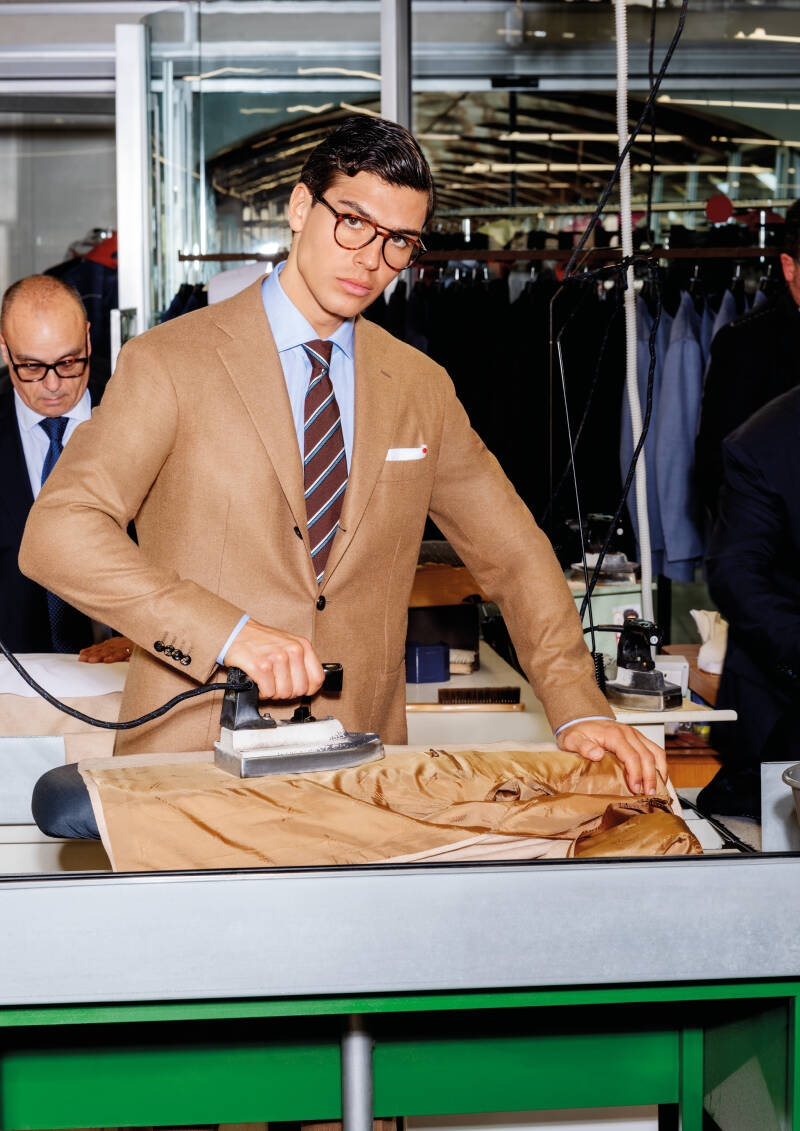
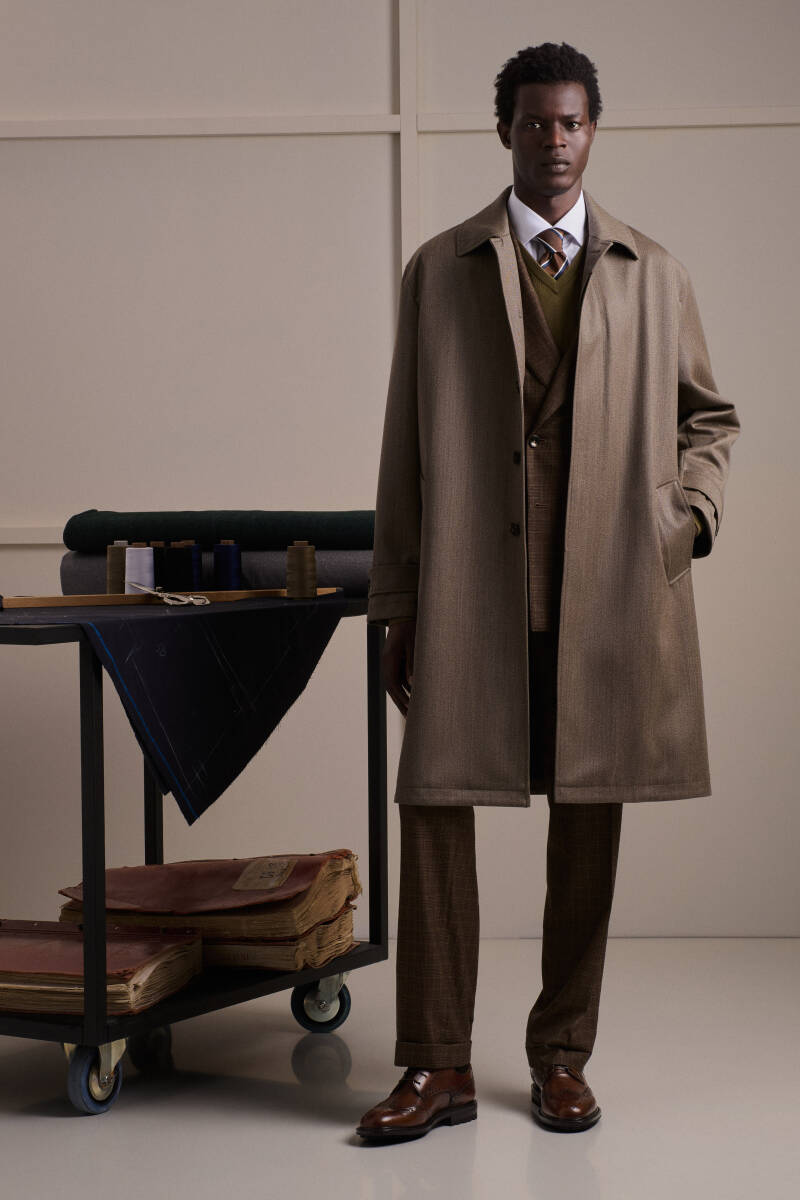
Technology is an extraordinary tool and can help us improve many processes, but it will never be able to completely replace the sensitivity, experience and hands of an artisan.
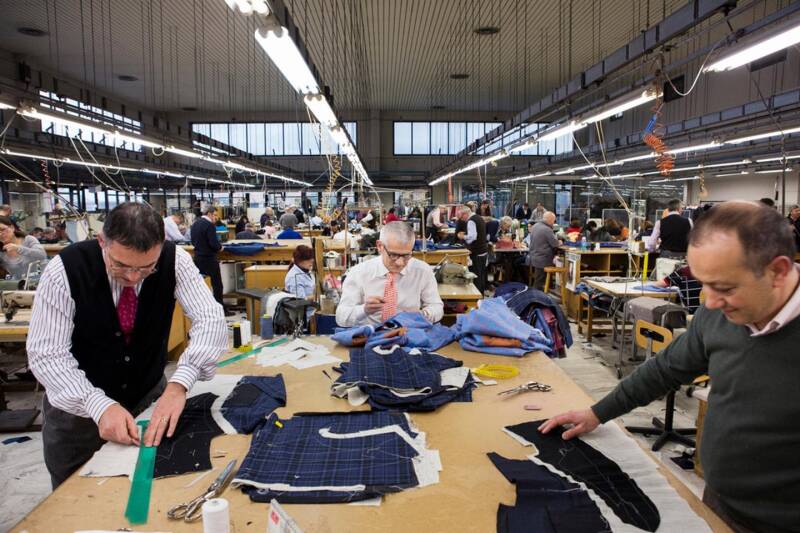
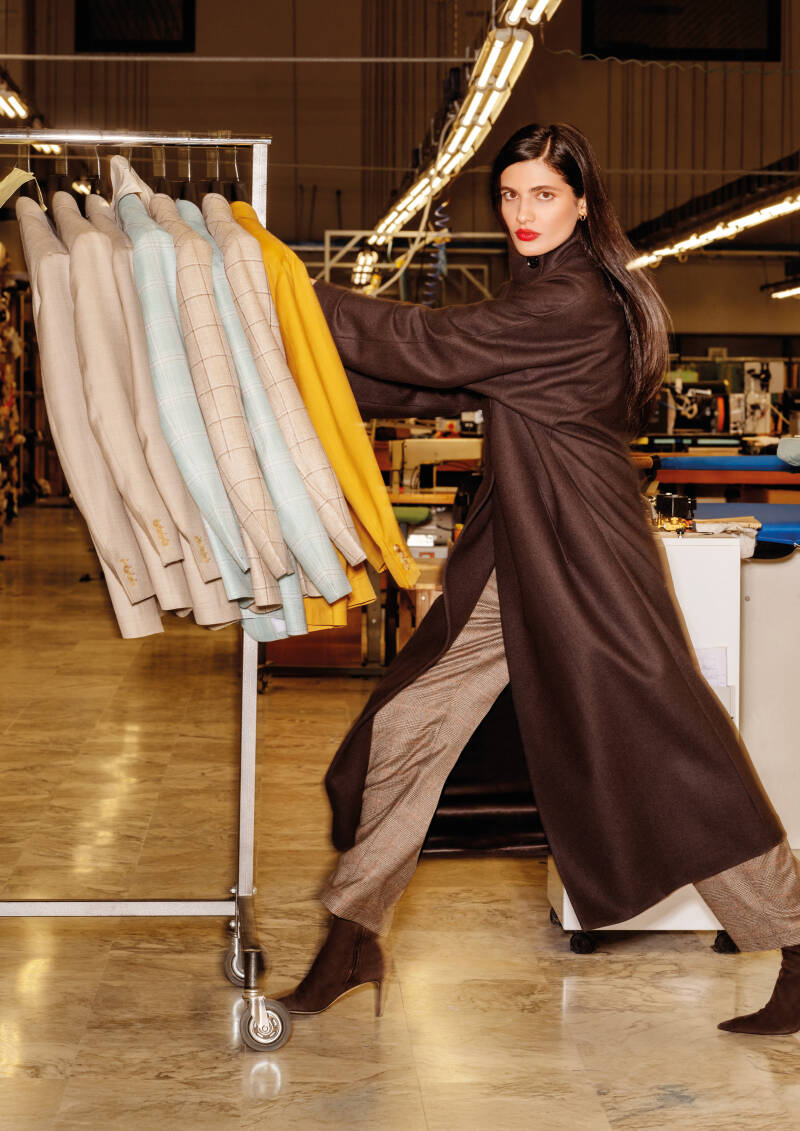
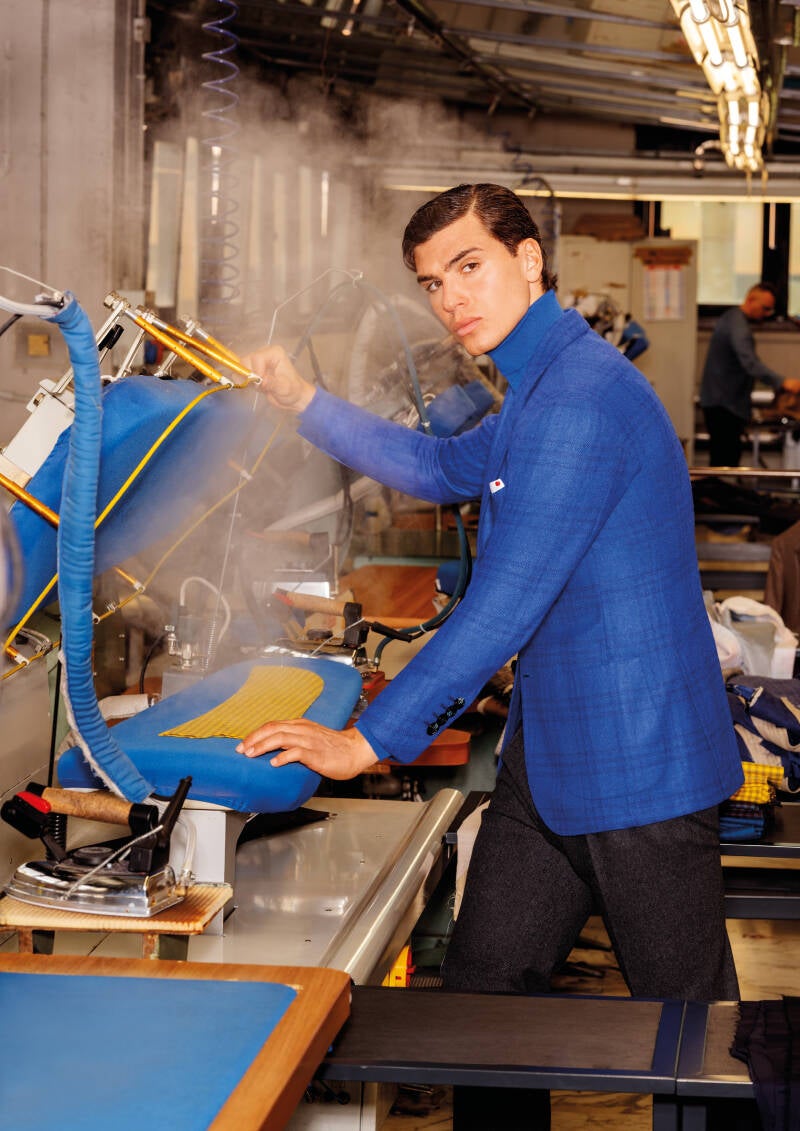
Behind every Kiton garment are many people, each with a specific skill, years of experience and a sensitivity that is difficult to replicate.
I believe the future will not be about a conflict between people and technology. What matters will be knowing how to use innovation without losing the human value of work.
In fact, I believe that the more digital the world becomes, the more valuable genuinely human qualities will be: time, knowledge, manual skill and the ability to do things with passion.
MOKILI 12 — A Message to Africa and the Future of Made in Italy
If you could address the new generation of African entrepreneurs, designers and professionals who look to Italy as a source of inspiration and a potential partner, what message would you share with them? And what would you say to Italian companies that have not yet explored the opportunities offered by the African continent?
KITON :
To Young African entrepreneurs and talents, I would say: believe in your abilities, your culture and your roots. The world needs authentic identities and people who have the courage to build something without giving up who they are.
Italy can be an important partner because it possesses a great manufacturing tradition and an entrepreneurial culture that has always found its strengths in quality and creativity. But dialogue must be reciprocal.
To Italian companies, I would say: do not look at Africa superficially or merely as a commercial opportunity. You need a genuine desire to discover, meet and understand.
Great relationships are always built on trust. And trust takes time, respect and consistency.
I am convinced that Made in Italy still has an enormous amount to share with the world. But to continue doing so, it must have the curiosity and courage to open itself to new cultures and new generations.
EDITORIAL SIGNATURE
MOKILI MOBIMBA RUYA | GLOBAL LUXURY INTELLIGENCE
International Editorial Platform for Economic, Cultural & Creative Cooperation.
Website: www.mokilimagazine.com
Tag: #Kiton #TheArtOfMaking #ItalianExcellence #MadeInItaly #LuxuryIntelligence #MokiliMobimbaRuya #AntonioDeMatteis #PittiImmagine #NeapolitanTailoring #ItalianTailoring #LuxuryLifestyle #LuxuryFashion #QuietLuxury #LuxuryHeritage #Craftsmanship #ArtisanExcellence #BespokeTailoring #TimelessElegance #LuxuryEditorial #GlobalLuxury



Add comment
Comments